Blog
Social Skills Goals With Speech Therapy Services for Teens
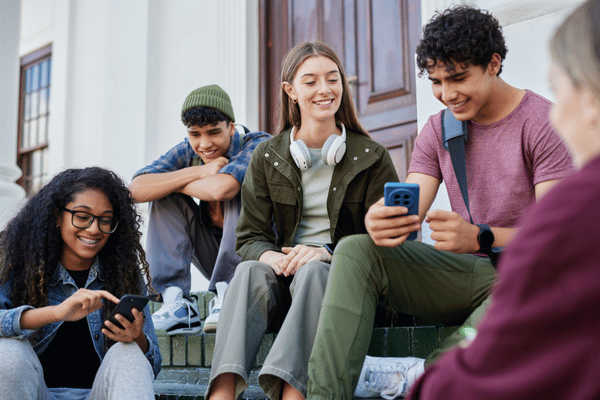
Strong social skills make a huge difference during the teenage years. But many teens struggle with reading social cues, making friends, or feeling confident in conversations. The good news? Speech therapy services can help teens build these critical skills. This guide explains common social challenges, how therapy addresses them, and what goals therapists typically target.
Table of Contents
Why Social Skills Matter for Teens
Teens aren’t just learning math and science. They’re also learning how to communicate and connect with others.
Good communication skills boost several areas:
- Friendships and belonging – Teens who can start and keep friendships feel more confident
- Academic success – Strong communication helps with class discussions and group projects
- Mental health – Being able to express feelings reduces stress
- Future preparation – These skills carry into college and jobs
Not every teen picks up social skills naturally. Teens with autism, ADHD, or language disorders often need extra support. Speech therapy services for teenagers specialize in communication, making them ideal for addressing social challenges.
Common Social Communication Challenges
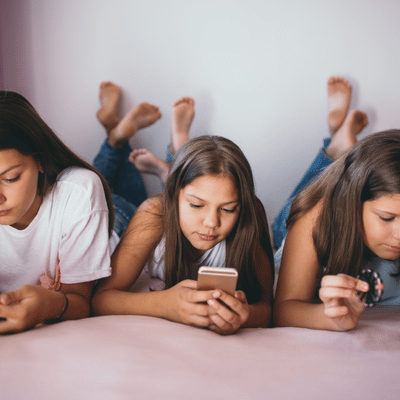
Therapists often see similar patterns in social struggles.
Conversation Skills
Some teens don’t know how to start or join conversations. Others struggle to maintain back-and-forth dialogue. They jump off topic or don’t respond to what someone said.
Key areas include staying on topic, asking follow-up questions, and taking turns speaking.
Nonverbal Communication
Reading body language is hard for many teens. They might avoid eye contact or stand too close. They may miss facial expressions or tone of voice.
Teen speech therapy services work on these nonverbal skills, teaching teens to recognize when a peer is bored or upset.
Understanding Social Rules
The “unwritten rules” of interaction confuse some teens. They might interrupt frequently or say things that seem rude.
Therapists help teens learn expected vs. unexpected behaviors and when to wait their turn.
Making and Keeping Friends
If your teen struggles making friends or feels isolated often, it signals social communication difficulties.
Challenges include joining group activities, handling disagreements, and navigating online communication. Evidence-based programs like PEERS® teach practical skills.
Figurative Language
Many teens take language very literally. Phrases like “break the ice” confuse them. They miss sarcasm and idioms.
Speech therapy services teach these non-literal expressions so teens can follow casual conversations with peers.
How Speech Therapy Services Help Build Social Skills
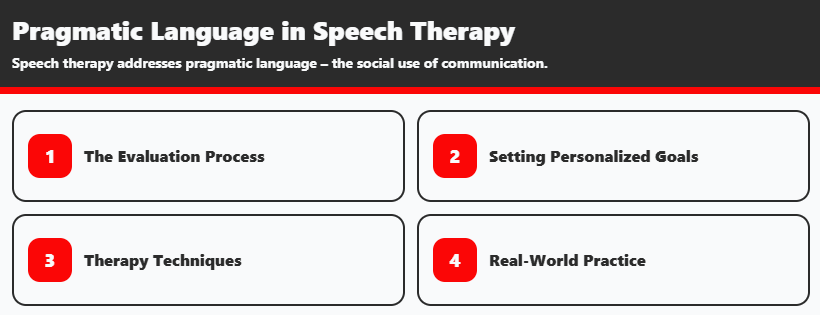
Speech therapy addresses pragmatic language – the social use of communication.
The Evaluation Process
The speech-language pathologist (SLP) starts with an assessment. They observe your teen in conversation and talk with you and teachers to understand where challenges occur.
Setting Personalized Goals
After the assessment, the SLP creates a treatment plan with individualized goals.
Examples:
- Staying on topic for 5 turns in conversation
- Making eye contact during greetings
- Using appropriate tone when asking questions
Therapists collaborate with families when setting goals.
Therapy Techniques
SLPs use engaging activities to teach social skills:
- Role-playing – Acting out social scenarios
- Video analysis – Watching interactions and discussing what worked
- Games – Board games teach turn-taking
- Group sessions – Practicing with peers
The SLP might chat with your teen about interests, then gradually introduce trickier topics.
Real-World Practice
The goal is carrying skills into everyday life. Therapists work on “generalization” through homework like “start one conversation with a classmate this week.”
Parents play a key role. Research shows teens improve faster when families participate. You might gently prompt your teen to use new skills or give positive feedback.
For neurodivergent teens, therapists use a neurodiversity-affirming approach. The goal isn’t making teens “mask” who they are, but helping them communicate effectively while staying authentic.
Examples of Social Skills Goals
What specific skills might a therapist target? Here are common goals in teen speech therapy services:
Initiating Conversations – Goal: Teen independently starts a conversation with a peer 3 times per week.
Topic Maintenance – Goal: During a 5-minute conversation, maintain the same topic through 4 exchanges.
Recognizing Emotions – Goal: Correctly interpret facial expressions or tone in 4 out of 5 opportunities.
Managing Conflict – Goal: When upset, use appropriate strategies in 4 out of 5 situations.
Understanding Figurative Language – Goal: Understand the meaning of common idioms with 80% accuracy.
You’ll receive progress updates showing improvements. Research shows that with interventions, teens can significantly improve their social communication skills.

Online Speech Therapy Options
Online speech therapy for teens has become popular and effective. Virtual sessions deliver the same support through video calls.
Does It Work?
Research shows teletherapy can be just as effective as in-person therapy. A systematic review found children who received therapy via telehealth made comparable progress.
Therapists use interactive online games, videos, and screen-sharing.
Benefits of Virtual Therapy
Online speech therapy for teens offers practical advantages:
- Convenience – No commute, flexible scheduling
- Privacy – Sessions from home reduce stigma
- Engagement – Teens feel comfortable in their own space
- Access – Helps teens in areas without local specialists
Teens often reach therapy goals faster online because they’re engaged in familiar surroundings.
What You Need
You’ll need reliable internet and a quiet space. Research shows high satisfaction with telepractice services.
How long does social skills therapy take?
It varies by teen and goals. Some see progress in months, others need a year or more. Consistency matters most.
Can online therapy really help with social skills?
Yes. Research confirms online therapy is effective for social communication. Teens are comfortable with video interactions.
Will my teen be embarrassed about therapy?
Many teens appreciate getting help. Frame it as learning strategies. Online sessions offer extra privacy.
What if my teen has autism or ADHD?
Speech therapy services for teenagers are designed for neurodivergent teens. Therapists use evidence-based approaches that respect each teen’s unique communication style.
How can I support my teen’s progress?
Participate when possible. Gently prompt your teen to use skills at home. Give positive feedback when you see them trying new strategies.
Help Your Teen Connect and Thrive
Social skills are learnable. With the right support, your teen can gain confidence in conversations, make friends, and handle social situations successfully.
Speech therapy services provide structured, supportive ways for teens to master communication. Whether in-person or through online sessions, therapists give your teen tools to show their best self.
Ready to Get Started?
If your teenager needs help with social communication, we’re here to support their journey. Our experienced speech therapists specialize in helping teens build confidence and connection.
Contact us today to schedule an evaluation and learn how we can help your teen achieve their social goals.
Article written by: